
Inside LA - The Los Angeles Lowdown
Long Beach: LA’s Port City
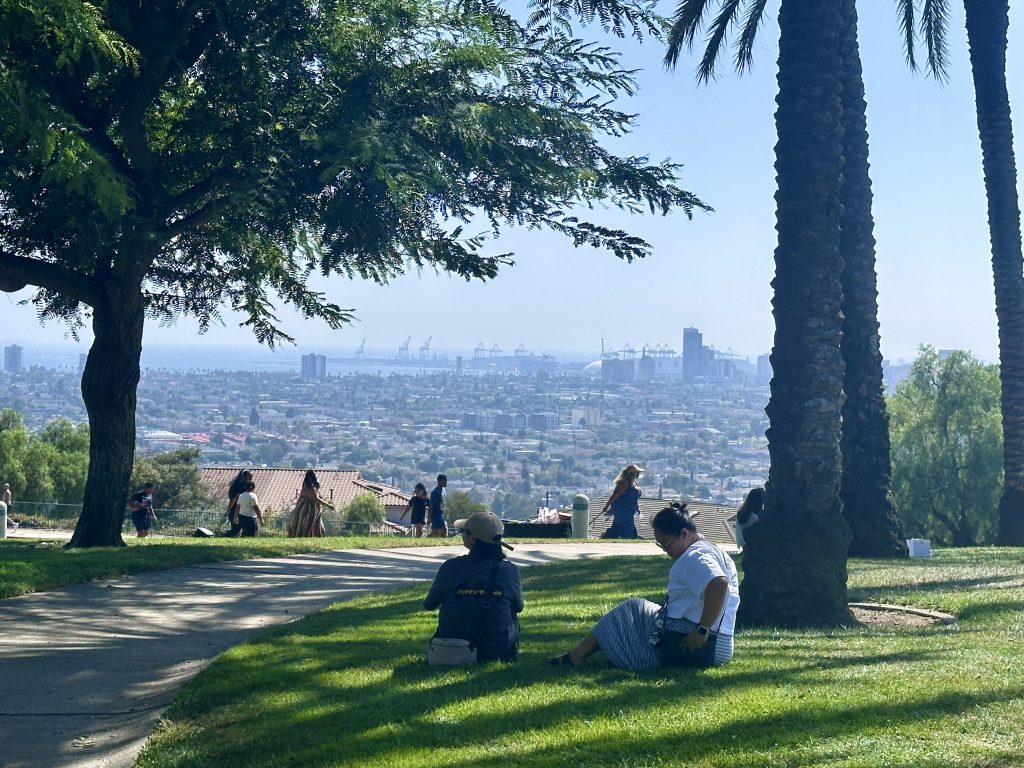
Long Beach has a way of surprising people. The city sits just south of Los Angeles, but feels like its own world entirely: part beach town, part port city, part creative neighborhood hub and part space race center. You’ll find historic streets, Cambodian bakeries, vintage shops, bike paths along the water, and cargo ships drifting past palm trees all in the same afternoon. Whether you’re visiting for a quick cruise stop or spending a full weekend exploring, Long Beach is easy to settle into. It’s walkable, layered, and a little less polished than some Southern California beach cities in the best possible way.
In this article I’ll give you a brief(ish) history of Long Beach and then make some recommendations for things to do, historic sites to visit and some places to eat and drink there.
Early History of Long Beach
Long Beach has always been tied to the ocean. Long before the city existed, the area was home to the the Tongva, who lived along the Southern California coast and occupied most of what’s now the city of Los Angeles, They relied heavily on the region’s wetlands and marine ecosystems for survival, and existed on a diet rich in fish and shellfish from the ocean.
During the Spanish and Mexican eras, the land was mostly divided up into enormous ranchos, including the 27,000 acre Rancho Los Cerritos and the 28,000 acre Rancho Los Alamitos, both of which still exist today as historic sites open to visitors. For a time in the 1850’s and 60’s the Rancho Los Alamitos was the largest cattle ranch in the entire U.S.
Modern Long Beach really began developing in the late 19th century, incorporating in 1897, as a seaside resort town, connected to Los Angeles by streetcar. It got its name from the long wide sandy beach that stretched for miles along the Pacific Ocean.
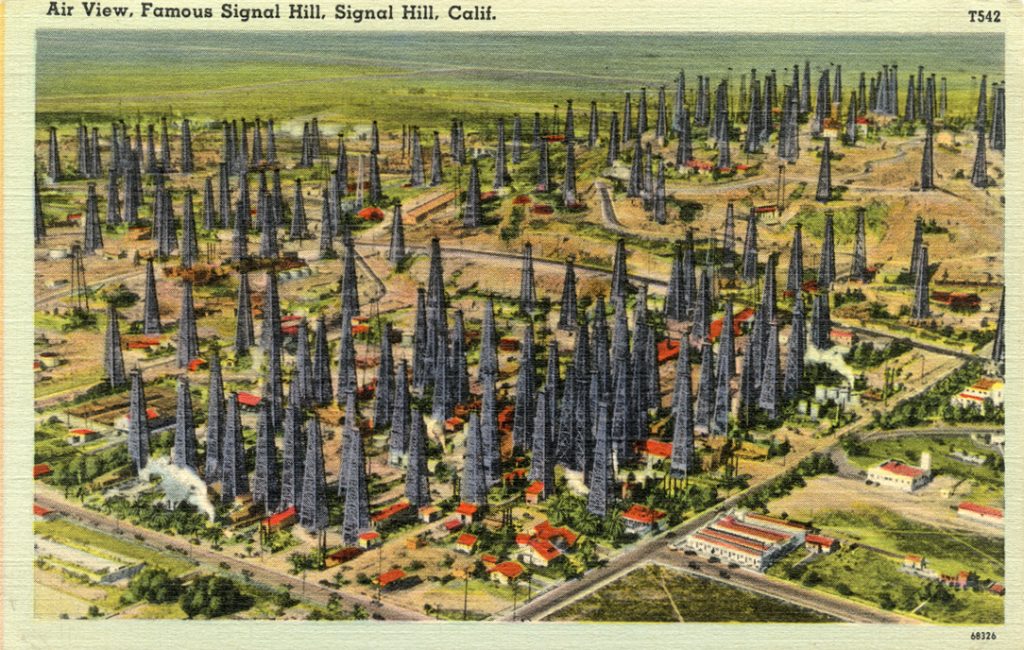
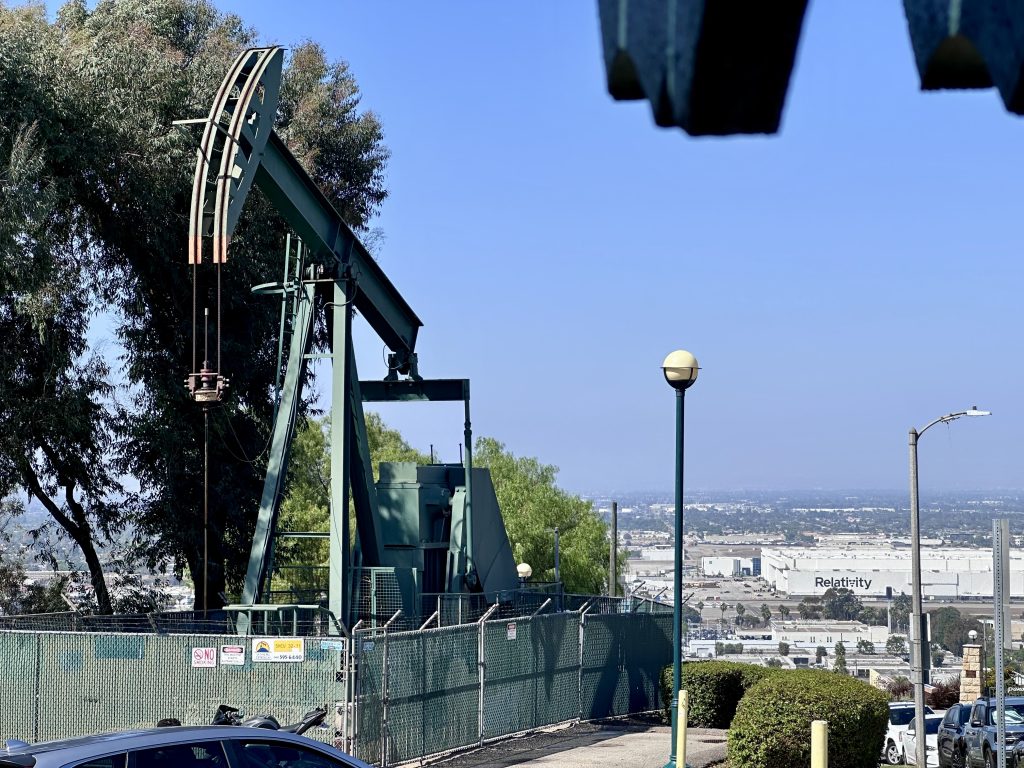
The city exploded in growth after oil was discovered underneath nearby Signal Hill in 1921 (which then split off as a separate city). In the 1920’s and 30’s the Long Beach Oil Field was the most productive in the world and that oil money helped shape much of downtown Long Beach, especially the city’s incredible collection of Art Deco and early 20th century architecture.
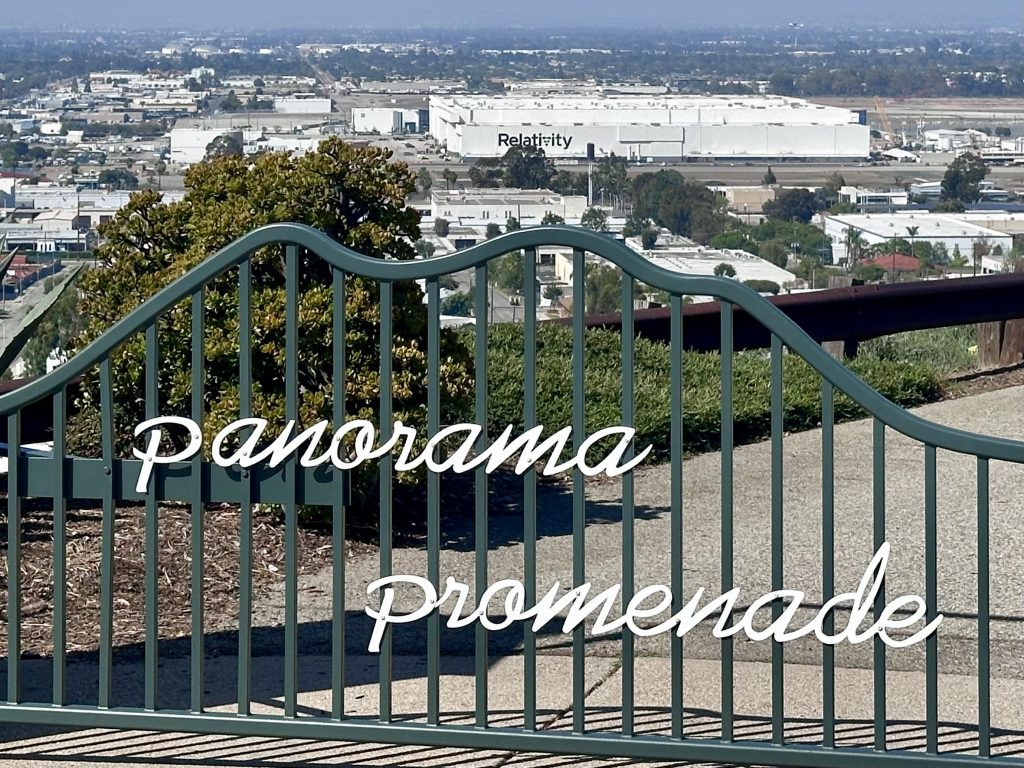
During the Second World War the city became home to a lot of defense industrial manufacturing, with Douglas Aircraft establishing a huge plant to make warplanes. This continued after the war, with McDonnell Douglas and Boeing continuing to manufacture aircraft . In the last few years Long Beach has seen a number of space start-ups establish bases too, such that the city has acquired a new nick-name Space Beach. Such companies based here include Relativity Space, SpaceX, Intelsat, Rocket Lab, Vast, SpinLaunch and Odys Aviation.
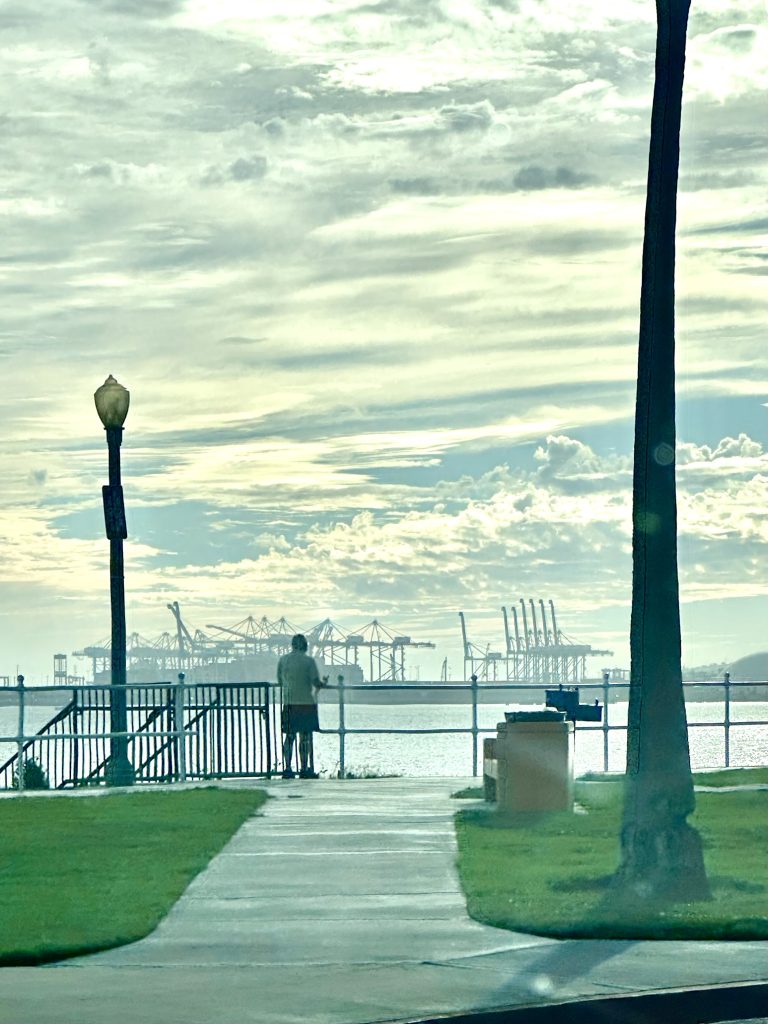
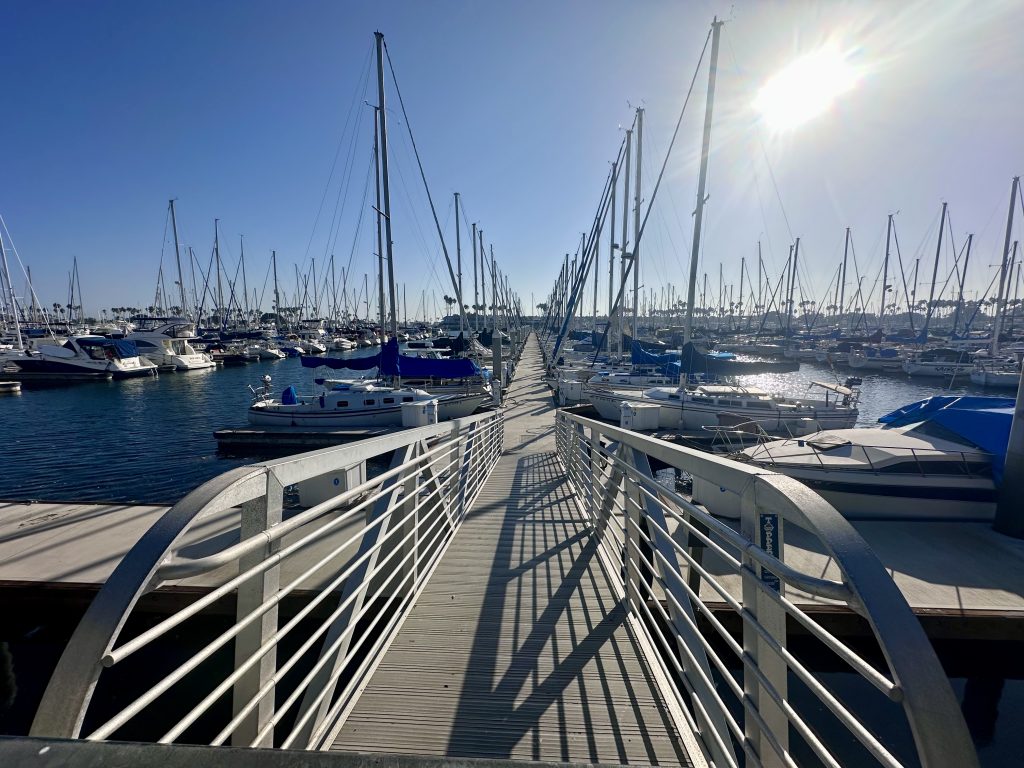
At the same time, the Port of Long Beach grew into one of the busiest shipping entrepôts in the world. Even today it remains central to the city’s identity. Unlike many California beach towns that try to hide their industrial side, Long Beach embraces it. Massive container ships sit just beyond bike paths, breweries and waterfront restaurants. It gives the city a gritty edge that makes it feel different from the rest of coastal Southern California.
Long Beach also became one of the most diverse cities in California. It’s home to one of the largest Cambodian communities outside Cambodia, and that influence is visible everywhere from restaurants and bakeries to markets and cultural festivals.
Long Beach’s Art Deco Architecture
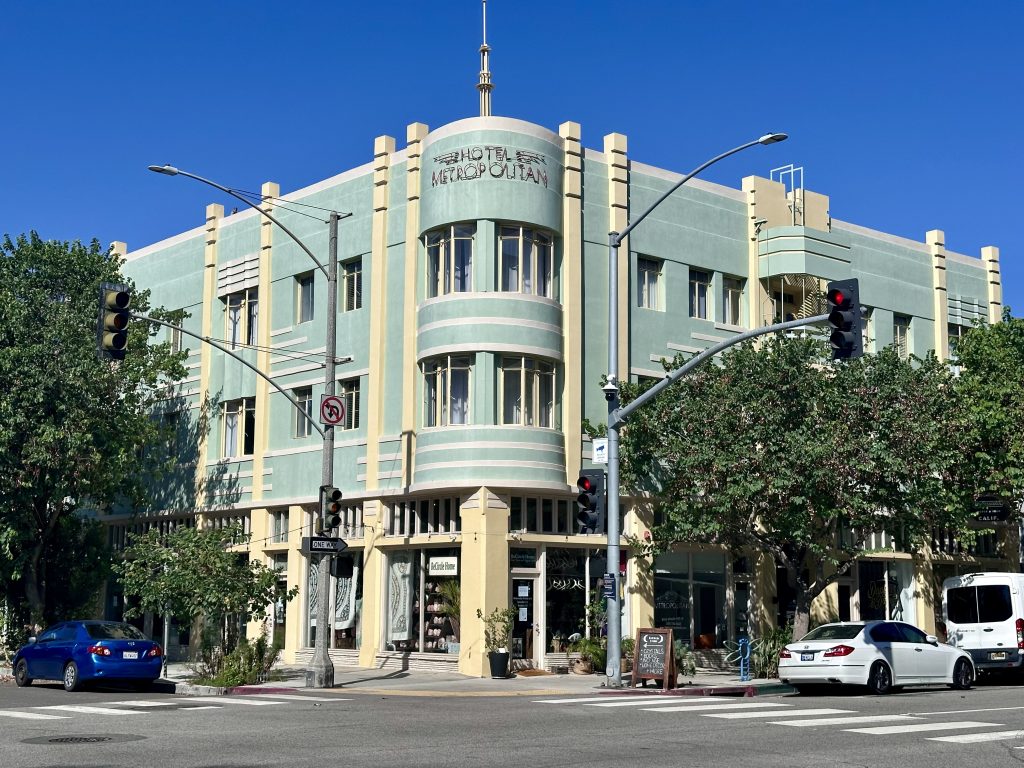
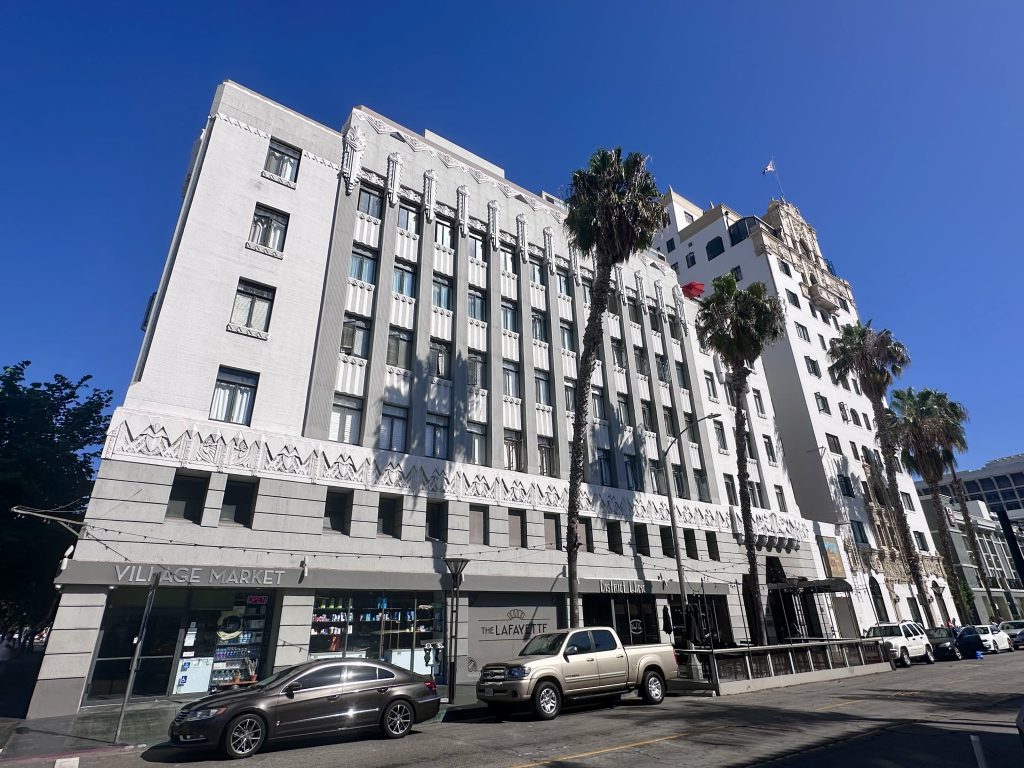
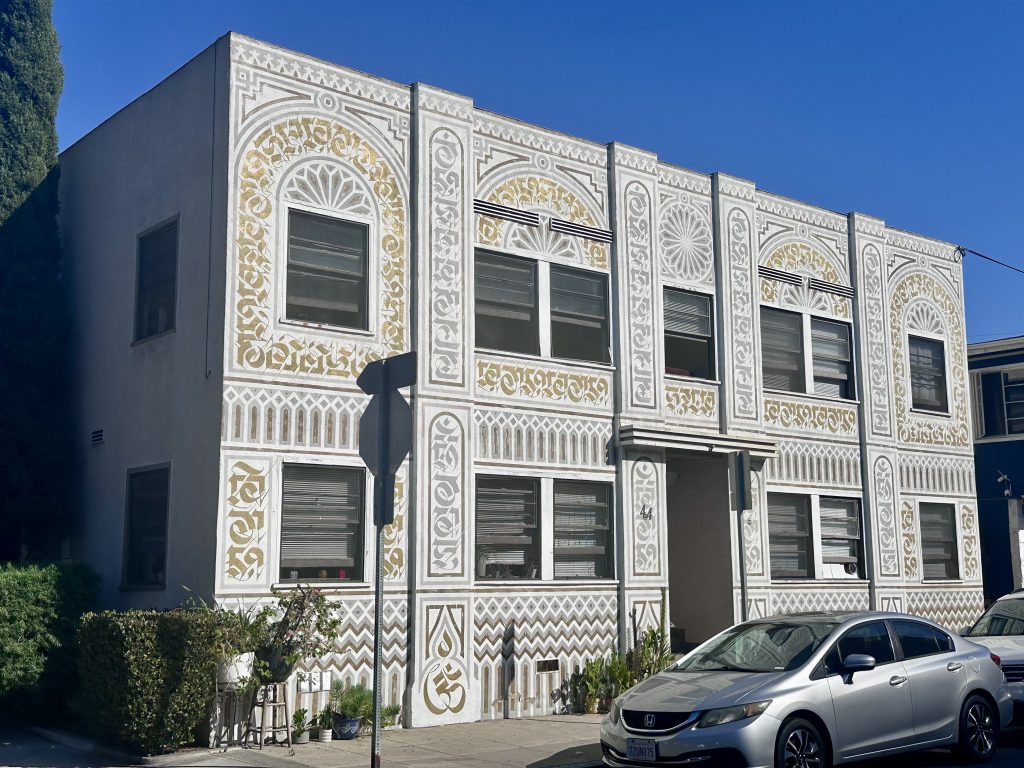
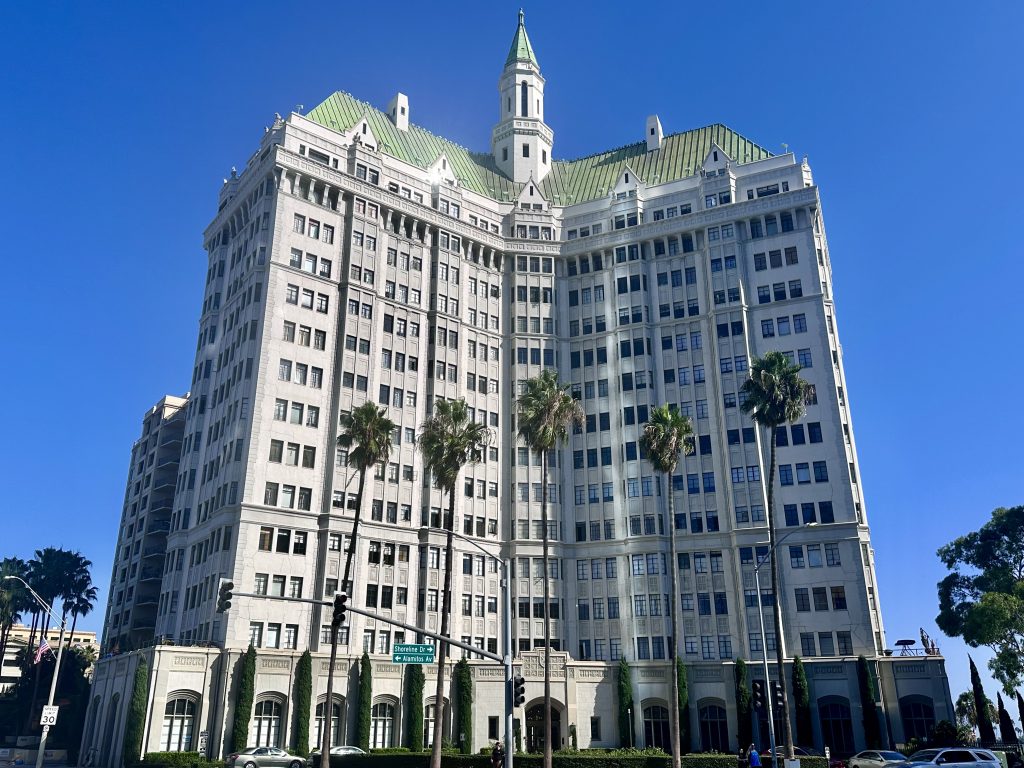
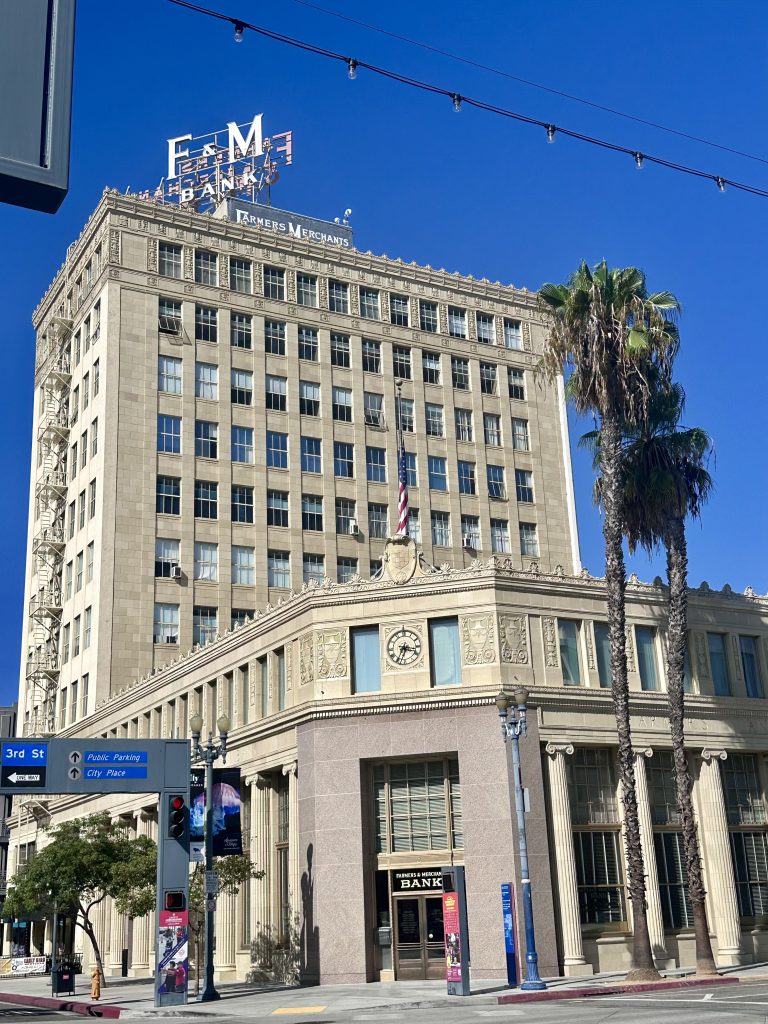
One of my favorite things about Long Beach is its architecture, especially downtown. The city has quietly accumulated one of the best collections of Art Deco architecture on the West Coast. That heritage has enabled the city to stand in for Miami in Hollywood movies and TV shows (like CSI Miami)
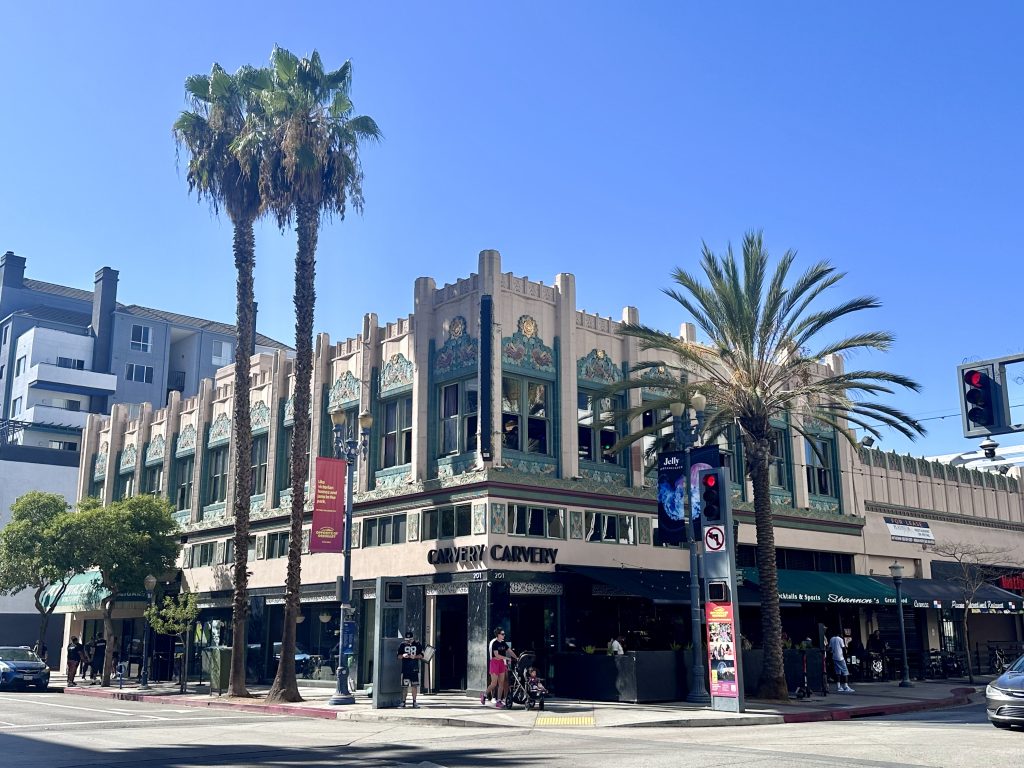
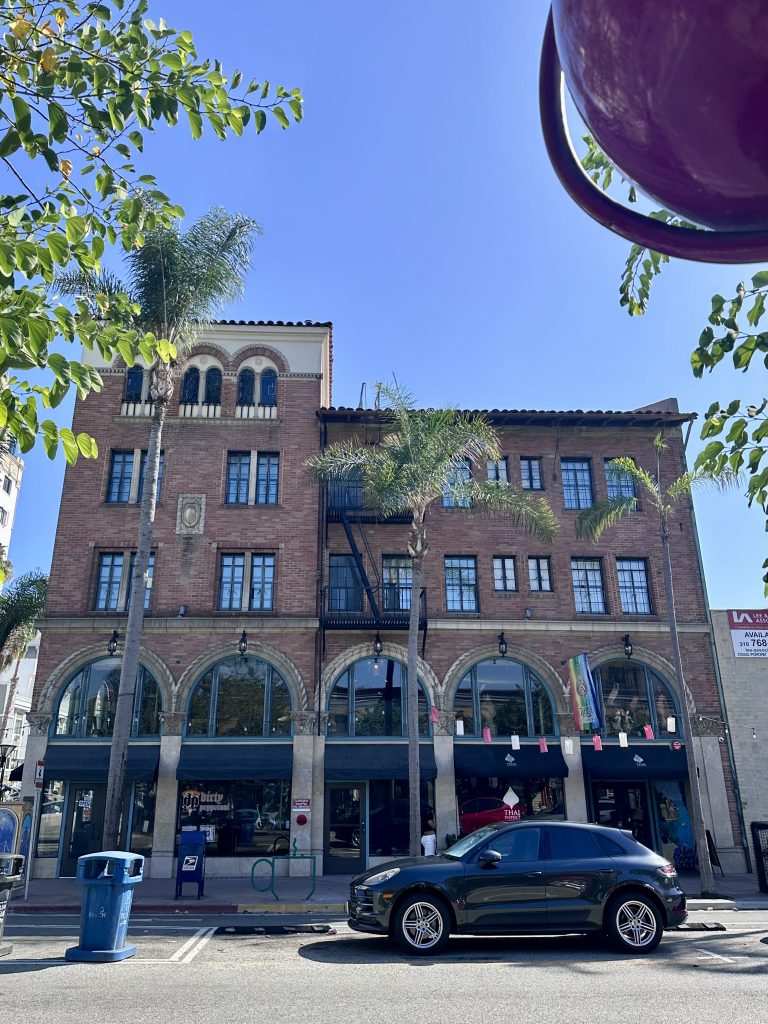
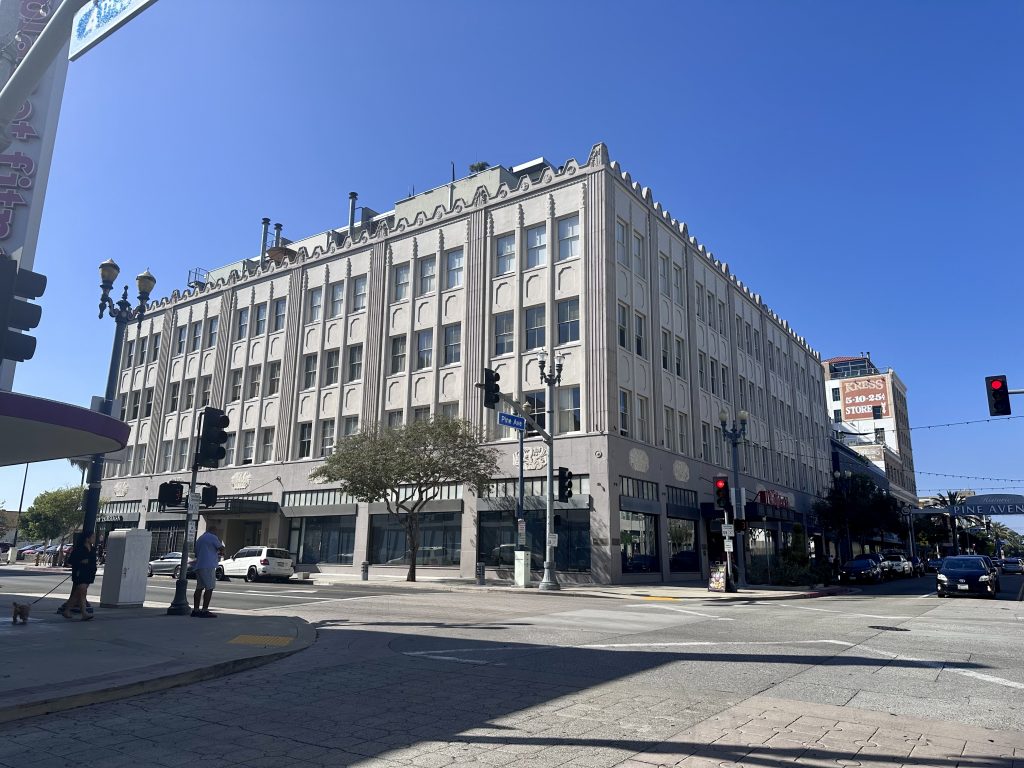
During the 1920s and 1930s, Long Beach was booming, and many of the buildings constructed during that era still survive today. Walking through downtown, you’ll notice geometric detailing, curved corners, decorative vertical lines, neon signage, and beautifully preserved apartment buildings that feel frozen in time.
The Lafayette Complex is probably the city’s most famous Art Deco landmark, originally built in 1928 as a luxury hotel during the oil boom years. My favorite is The Bradley Rowan Building, a beautifully restored example of commercial Art Deco architecture in downtown Long Beach. Built in 1930, the two-story corner building is known for its colorful polychrome terra cotta detailing, seafoam green accents, stylized floral reliefs, and geometric crests above the windows. Remarkably, the building survived the devastating 1933 Long Beach earthquake completely intact and was later honored by heritage organizations for its preservation.
Even outside downtown, Long Beach is full of great architecture if you pay attention. Some of the best details are the old neon signs, tiled entryways, faded murals, and vintage apartment buildings tucked between newer developments.
Downtown Long Beach & East Village Arts District
Downtown is where most visitors start, especially cruise ship passengers arriving at the terminal near the Queen Mary. Over the last two decades, downtown has changed significantly, but it still retains more personality than many redeveloped urban waterfronts.
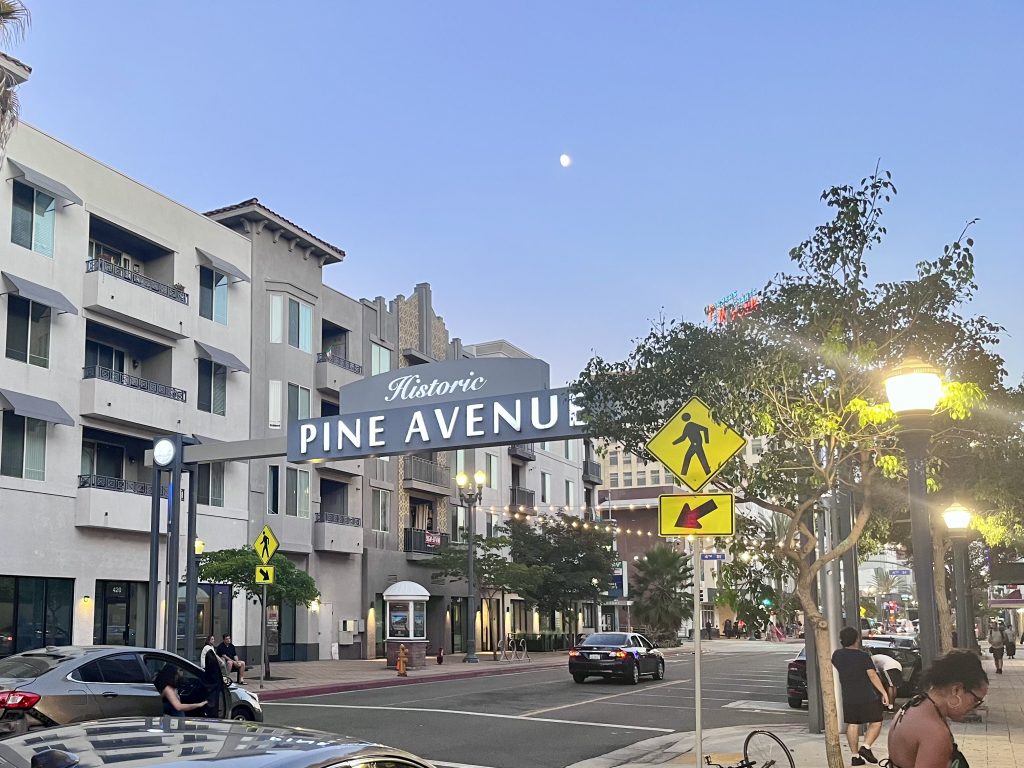
Pine Avenue remains the center of downtown activity, lined with restaurants, bars, and older historic buildings. Nearby, the East Village Arts District feels more creative and local, with independent coffee shops, galleries, bookstores, and public art installations scattered throughout the neighborhood.
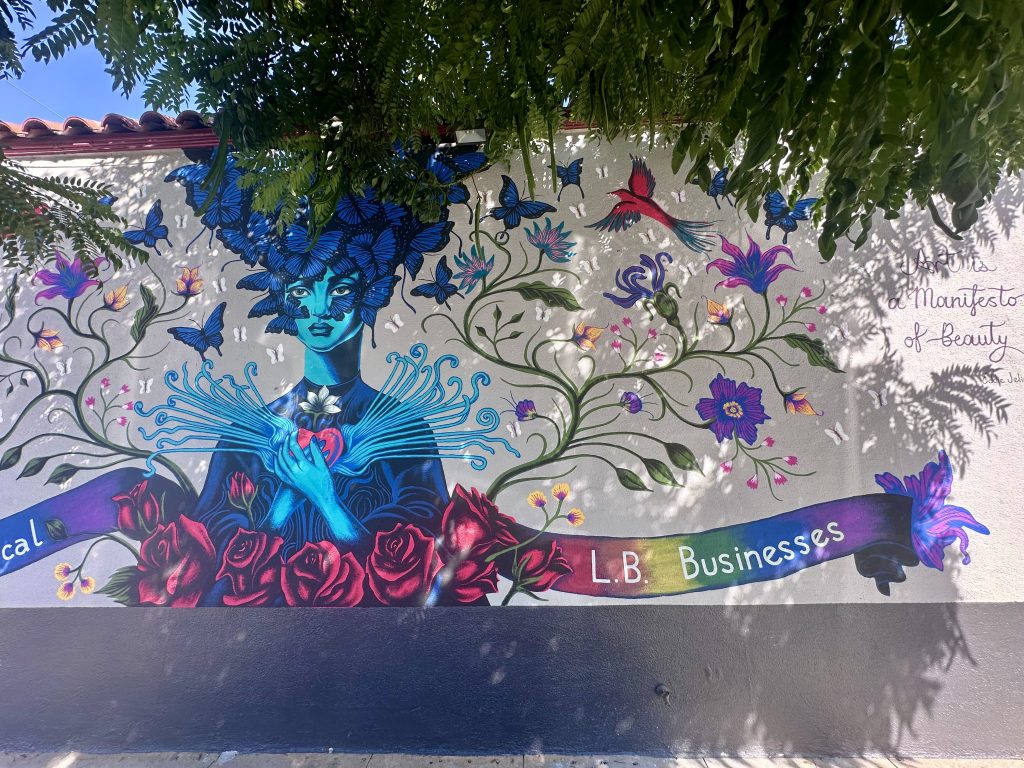
Street art is everywhere in Long Beach, but downtown has some of the city’s best murals. Entire building walls have become canvases for large-scale works by local and international artists. Unlike some cities where murals feel overly curated for tourism campaigns, Long Beach’s street art scene still feels connected to the local creative community.
Retro Row
If there’s one stretch that captures Long Beach’s personality best, it’s Retro Row along 4th Street. This neighborhood blends vintage culture, independent businesses, coffee shops, record stores, dive bars, and old Long Beach energy better than almost anywhere else in the city. You’ll find mid-century furniture stores next to punk record shops and small boutiques selling locally made goods.
It’s also one of the best neighborhoods for architecture lovers. Many of the storefronts retain historic details from earlier eras, and the surrounding residential streets are filled with early 20th-century apartment buildings and bungalows.
Naples & Belmont Shore
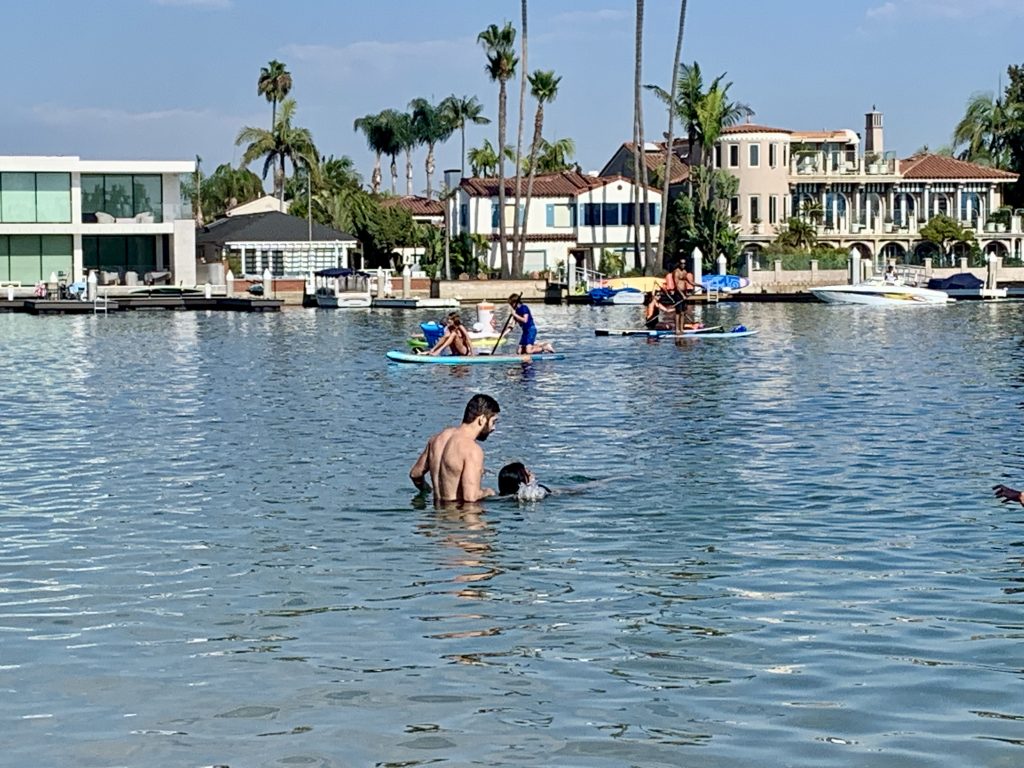
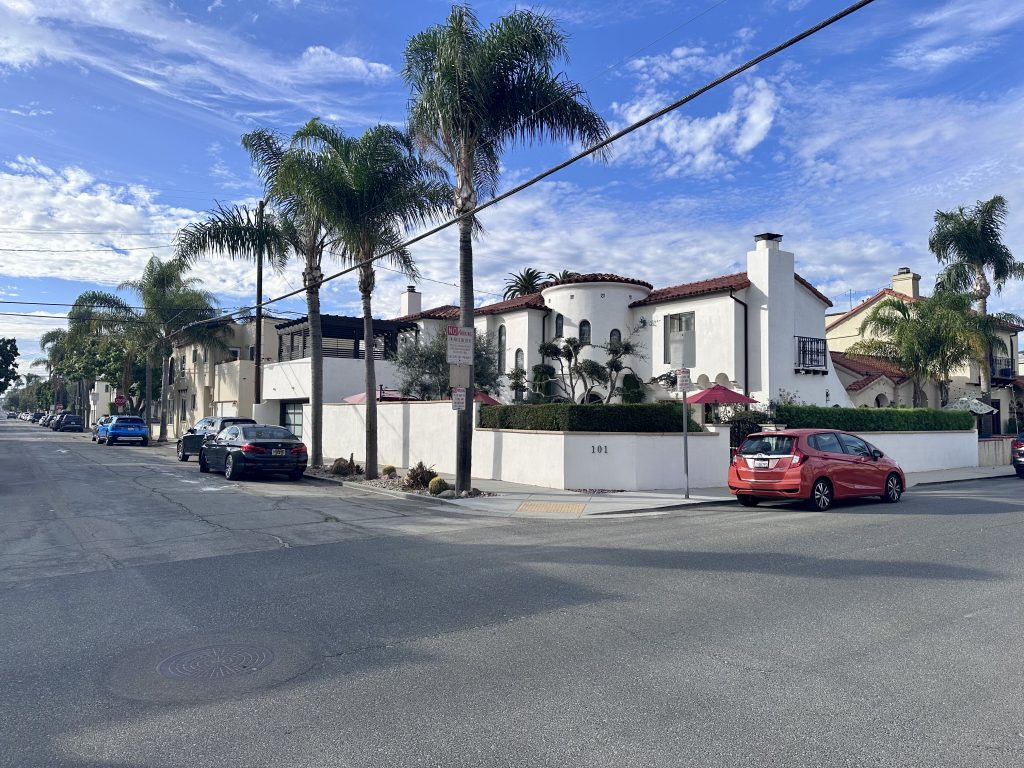
Naples feels almost disconnected from the rest of Long Beach. Developed in the early 1900’s in the estuary of the San Gabriel River and inspired by Venice, Italy, the neighborhood is built around three islands, with canals lined by waterfront homes, connected by small bridges, and narrow walkways.
It was developed just after Venice Los Angeles, which is probably why the developer went for a different name. Renting a kayak or paddleboard here is one of the best ways to spend an afternoon. The canals are calm, scenic, and surprisingly quiet considering how close they are to the rest of the city.
Right next door, Belmont Shore centers around busy 2nd Street, one of the liveliest commercial corridors in Long Beach. Restaurants, bars, boutiques, and patios stay active throughout the day and well into the evening.
Tacos & Beer
The city deserves far more attention for its food scene than it gets, especially when it comes to seafood tacos. Southern California obviously has a lot of great taco spots, but Long Beach benefits from being both a coastal city and having an incredibly diverse population. Fish tacos here range from Baja-style beer-battered classics to grilled shrimp tacos loaded with fresh salsa and cabbage.
Some of the best meals in Long Beach are casual and inexpensive. Hole-in-the-wall taco spots often outperform trendy restaurants. Places near the waterfront serve excellent seafood, but some of the best tacos are found farther inland in neighborhood strip malls and on side streets.
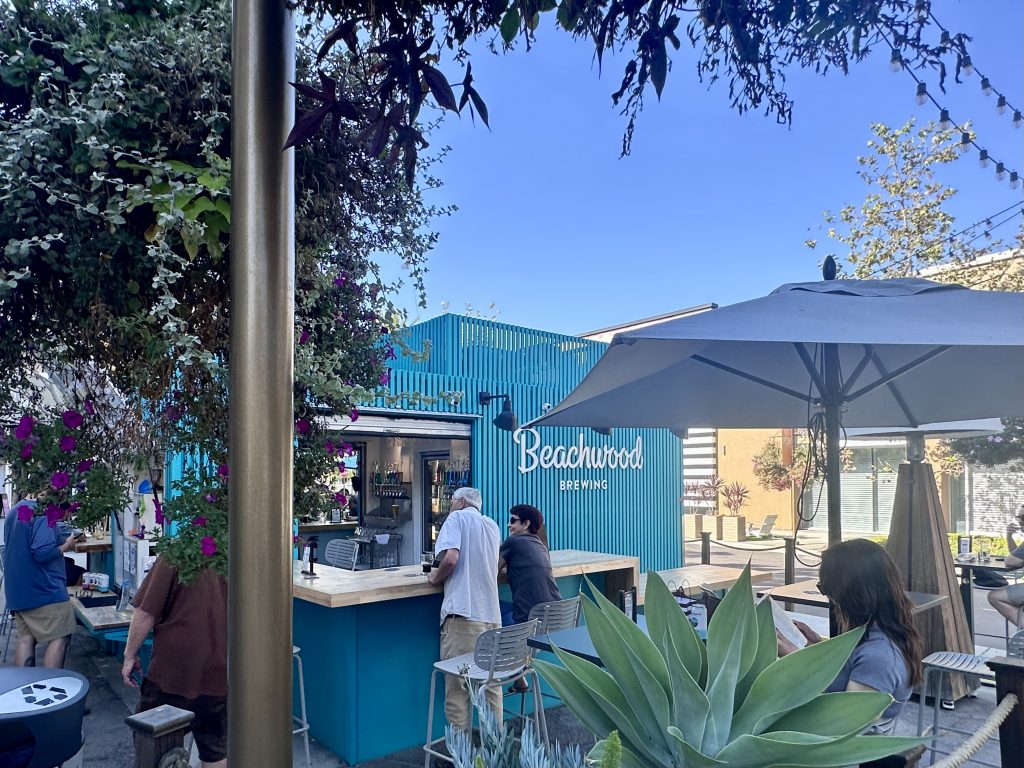
Long Beach also has a strong brewery scene. If craft beer is your thing, it’s easy to build an afternoon around local taprooms. Trademark Brewing downtown is a good starting point for lagers with easygoing patio vibes, while Beachwood Brewing remains one of the city’s best-known names for IPAs and barrel-aged beers. In Bixby Knolls, Ambitious Ales has a more neighborhood feel with rotating food pop-ups and live events throughout the week.
Long Beach Pride & LGBTQ+ Culture
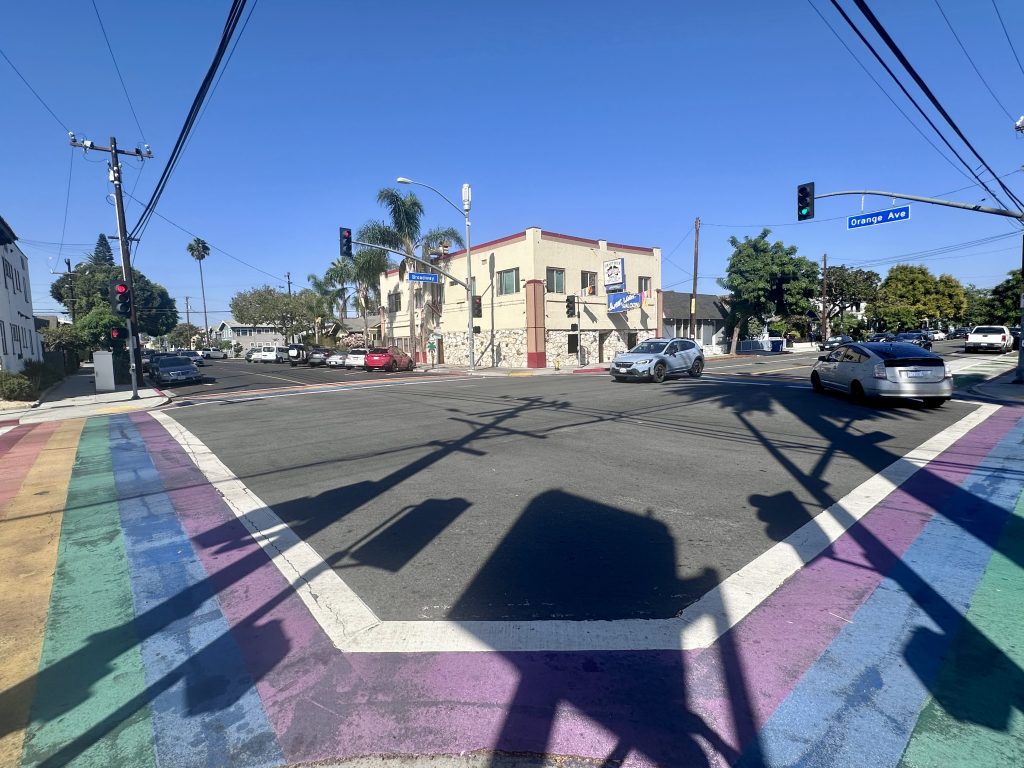
Long Beach has one of the most vibrant and deeply rooted LGBTQ+ communities in Southern California. Unlike some other places where Pride feels confined to a single weekend, queer culture is an essential, permanent, thread woven into the city’s identity. The bustling Broadway Corridor serves as the historic heartbeat of this community, packed with welcoming bars, diverse restaurants, popular drag brunches, and vital community spaces. Here, rainbow flags fly proudly along the streets throughout the year, serving as a daily reminder of the city’s inclusive spirit.
As one of the largest Pride celebrations on the West Coast, Long Beach Pride regularly draws massive, energetic crowds to its signature events. The true strength of this community was put on full display during the 2026 celebration, themed “Fearless and Free”. When unexpected administrative permitting hurdles led to the last-minute cancellation of the main festival area, the community did not skip a beat. Instead of dampening spirits, the situation ignited a massive wave of local solidarity. Grassroots organizers, local venues, and residents rallied instantly, transforming the historic Sunday Pride Parade along Ocean Boulevard into an unforgettable, triumphant demonstration of joy, resilience, and unity.
What truly makes Long Beach stand out to visitors is this genuine, unbreakable connection to the local neighborhood rather than just tourism marketing. During Pride season, the entire city feels energized. Local bars spill onto the sidewalks, parties fill downtown, and distinct neighborhoods host their own independent block parties and cultural events. If you are planning a visit in May or June, be sure to check local community calendars in advance. From major parades to intimate neighborhood gatherings, you will find a resilient, welcoming community ready to celebrate with you all week long.
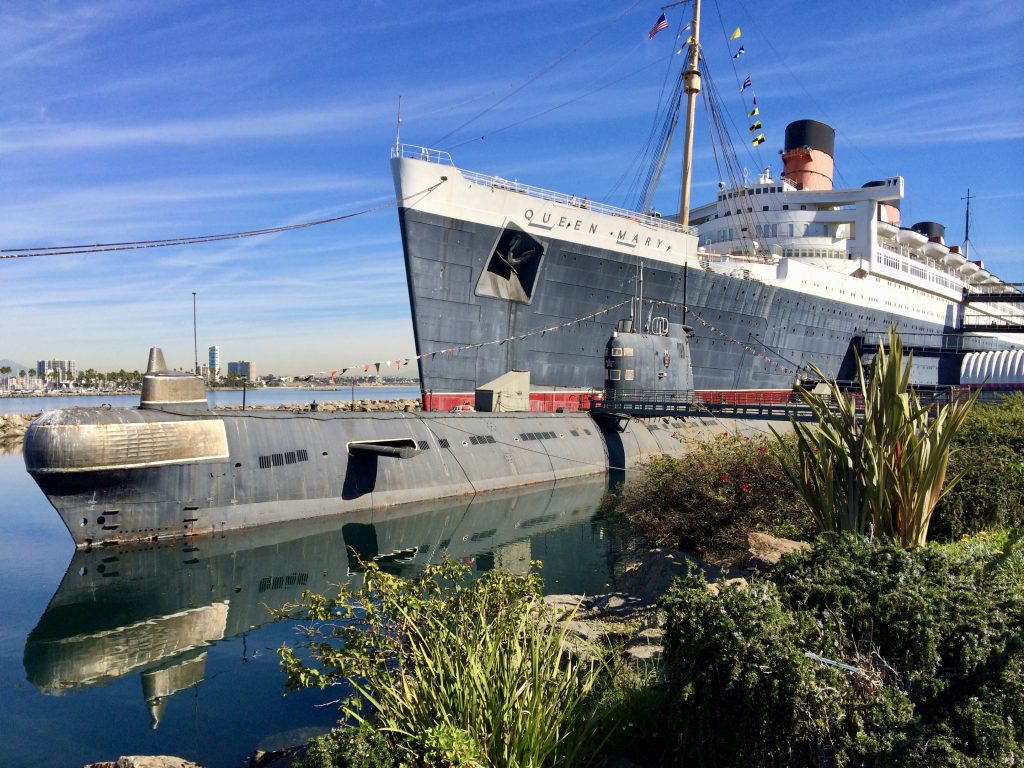
RMS Queen Mary
If you’re arriving by cruise ship, you’ll likely dock beside the Queen Mary, and you can’t really talk about Long Beach without mentioning this national and state landmark.
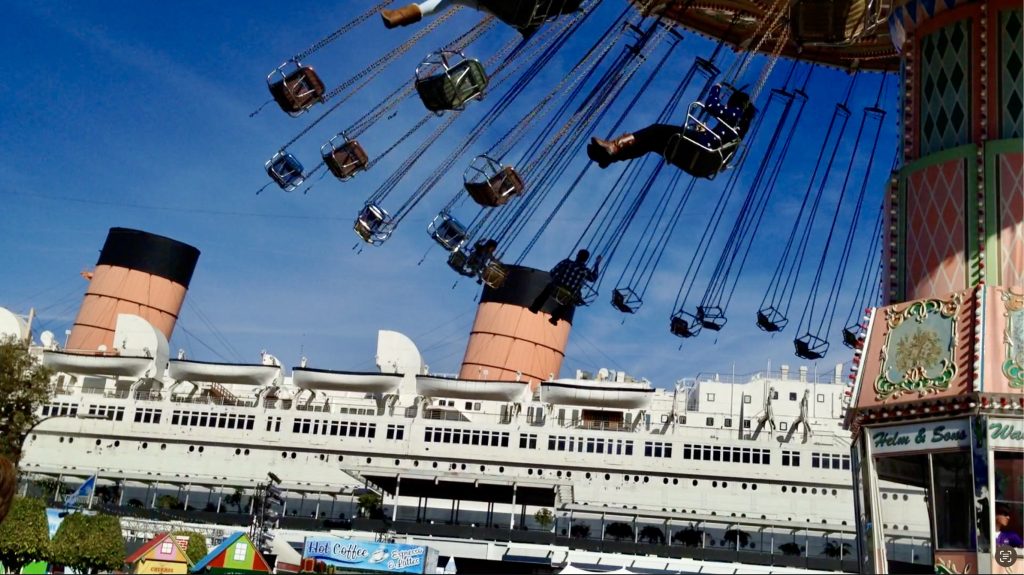
The historic ocean liner has been permanently docked in Long Beach since 1967 and remains one of the city’s most recognizable landmarks. Launched in 1934 on the Clyde, in Scotland, the Queen Mary was designed as a luxury transatlantic passenger ship to carry celebrities, statesmen and wealthy travelers between the U.K. and New York, before serving as a troop ship during World War II.
Today, the ship operates as a hotel, museum and event venue. Even if you don’t stay overnight, it’s worth visiting just to explore the interior spaces and learn the history of this liner from a bygone age. Walking through the wood-paneled hallways, ornate old ballrooms, enormous engine rooms and observation decks feels like going back in time to another era.
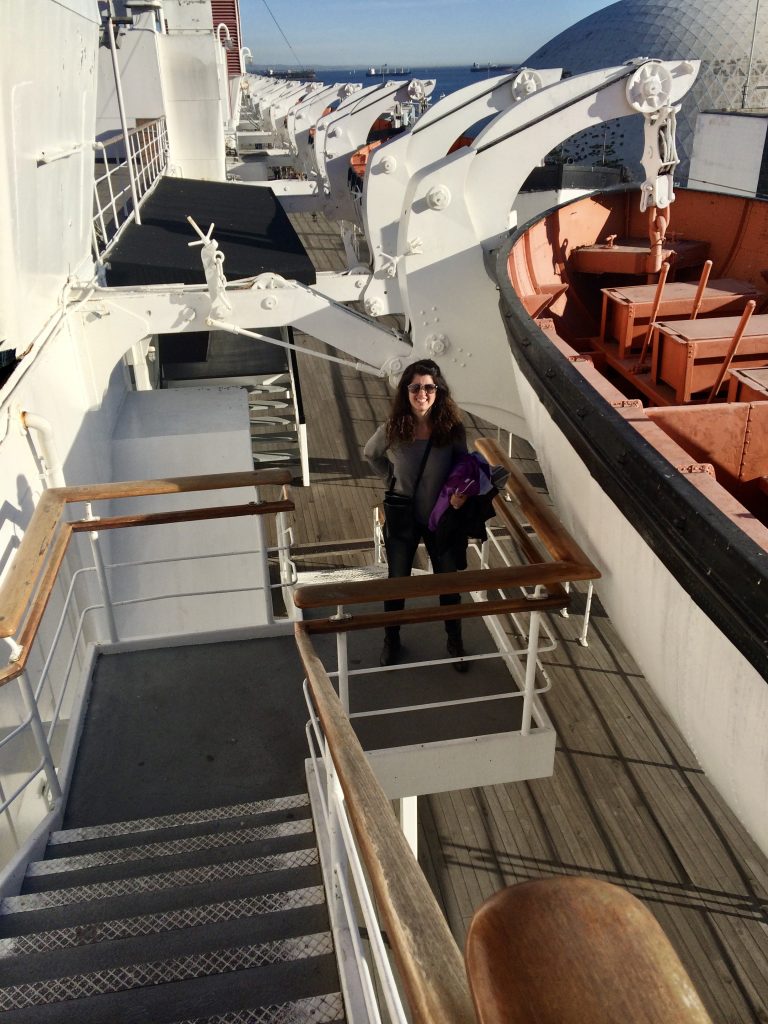
The Queen Mary is also famous for its ghost stories and paranormal tours, which have become part of Long Beach folklore over the years. Whether you believe in that stuff or not, the nighttime tours are genuinely fun.
The views from the ship are also excellent. You get one of the best perspectives of the Long Beach skyline, especially around sunset when the harbor lights start coming on.
Near the Queen Mary is the Aquarium of the Pacific, the second biggest in California after the Monterey Bay Aquarium. Its six acre facility is home to over 12,000 sea animals and it’s well worth a visit (especially if you have little ones).
Getting Around
Long Beach is exceptionally bike-friendly and highly walkable compared to the rest of Southern California.
For quick transit along the waterfront, look out for the AquaBus and AquaLink water taxis (website), they are not only highly efficient, but also provide a fantastic, budget-friendly harbor cruise experience for just a few dollars.
Downtown also features a robust network of shared electric scooters and bikes available for immediate rental via smartphone apps. That said, Long Beach is larger than many visitors expect. If you want to explore different neighborhoods like Cambodia Town, Retro Row, Belmont Shore, and downtown all in one trip, rideshares or a rental car will definitely help.
Final Thoughts
Long Beach doesn’t feel like the Southern California you see in travel ads, and that’s exactly why people end up loving it. It’s a city with colorful neighborhoods, deep history, incredible food, and a strong creative identity. You can spend the morning exploring Art Deco architecture downtown, the afternoon eating seafood tacos and wandering through mural-covered alleyways, and the evening at a brewery or catching live music near the waterfront. It’s gritty in places, beautiful in others, and far more interesting than people expect.
In 2028 the Los Angeles Olympics will be coming to Long Beach, so it’s the perfect excuse to visit.
This map is interactive. To open in Google Maps click the icon in the top right corner.
If you have any feedback on Long Beach: LA’s Port City please email us or reach out on social media, we’d love to hear from you.
– By Dara Mihaly (Instagram)
You must be logged in to post a comment.